
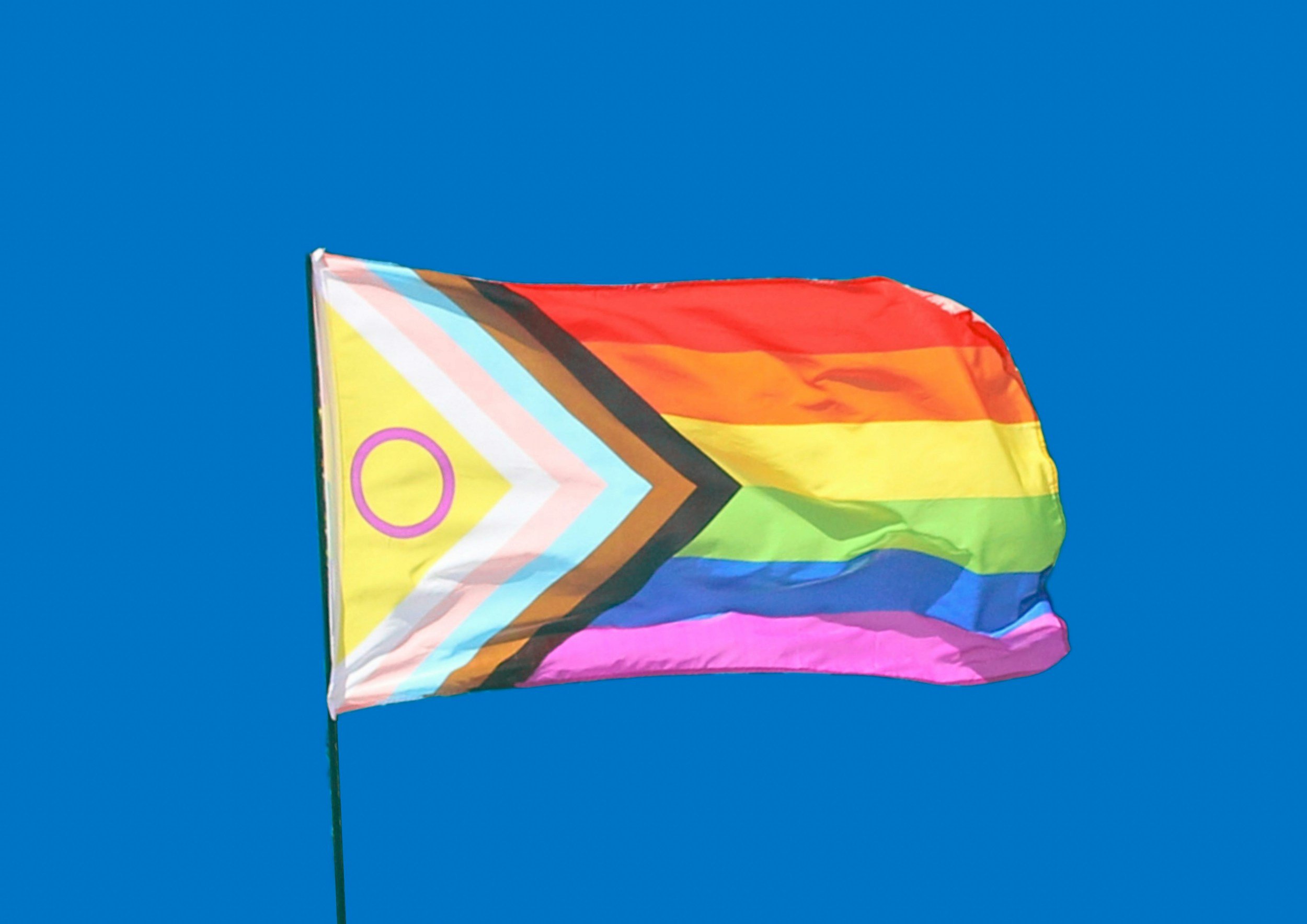
Counselling for Sexual & Gender Diversity
Sexuality and gender can be deeply personal, and there isn't one way to experience or understand either.
Maybe you've known how you identify for a long time. Maybe you're still figuring some things out. You might be thinking about coming out, relationships, family, culture, faith, or what feels right for you.
Or you might be looking for counselling for something else entirely and want to work with someone who is comfortable talking about sexual and gender diversity when it matters.
You can bring as much or as little of this into counselling as you want. There isn't a particular identity, label, or experience you need to have to start the conversation.
Frequently Asked Questions About Counselling for Sexual & Gender Diversity
-
No. Sexuality and gender are things anyone can have questions about or want to explore in counselling.
You don't need to identify as 2SLGBTQIA+ for those conversations to belong here.
-
You don't need to figure it out before coming to counselling.
There can be room to talk about what you've been noticing, what feels comfortable, what doesn't, and any questions you have without trying to arrive at a particular answer.
The words you use, or whether you use a label at all, are yours to decide.
-
Yes. You might be thinking about coming out for the first time, deciding whether to tell a particular person, or figuring out how open you want to be in different parts of your life.
You can talk through what you're considering, what matters to you, and what you want to take into account before deciding what feels right for you.
-
You don't need to be.
Who you share your sexuality or gender with is personal. You might be open with some people and not others, or still deciding what you want.
If that's something you're thinking about, counselling can give you somewhere to talk through the different relationships and circumstances involved.
-
Yes. These parts of life don't always fit neatly into separate boxes.
You may be figuring out how your sexuality or gender fits alongside family relationships, cultural expectations, faith, community, or traditions that matter to you. There may be things you want to hold onto, things you're questioning, or places where you're not sure what you think yet.
Counselling can give you room to explore those questions without deciding for you what should matter most.
-
Dating, attraction, intimacy, boundaries, communication, breakups, changing relationships, and figuring out what you want from a relationship can all be part of counselling.
Sometimes sexuality or gender will be important to those conversations. Sometimes it won't be.
-
Yes. You may be thinking about transition, already making changes, considering some things but not others, or simply wondering what feels right for you.
That could include your name, pronouns, clothing, relationships, how you want to be known by other people, or decisions you're considering about your body or healthcare.
There isn't one way that transition needs to look.
-
That's okay.
You might find language that fits and keep it for years. You might use a different word later. You might decide you don't particularly want a label.
Counselling can give you room to explore what fits now without requiring you to know whether it will always fit.
-
No.
You might be looking for counselling because of anxiety, depression, grief, stress, relationships, school, work, family, or something else happening in your life.
Your sexuality or gender can be part of who you are without needing to become the focus of counselling.
-
For us, it means that sexual and gender diversity isn't something we're trying to change.
It also doesn't mean making assumptions about you because of how you identify.
You get to decide what matters in counselling, what language fits for you, and what you want to talk about.
-
You can bring that into the conversation.
Maybe someone made assumptions about you, focused on your identity when that wasn't what you wanted to talk about, used language that didn't fit, or you simply didn't feel comfortable with them.
You can ask questions about how a counsellor works before deciding whether they're someone you want to continue seeing.
-
That depends on what you want to talk about.
For one person, that might mean exploring identity or thinking about coming out. For someone else, it might be family, relationships, transition, culture, faith, discrimination, or belonging. And for someone else, sexuality or gender might only come up occasionally.
We can start with what's happening in your life and what you want from counselling.
-
Depending on what's important to you, we might talk about:
Sexual orientation and gender identity
Questioning or exploring identity
Coming out and disclosure
Gender transition
Family relationships and expectations
Culture, faith, and community
Dating and relationships
Intimacy, communication, and boundaries
Friendship and belonging
Discrimination, rejection, bullying, or exclusion
Changes in how you see yourself
Anxiety, depression, stress, or grief
School, work, and other parts of everyday life
Or something else entirely.
Your sexuality or gender doesn't have to be the reason you're coming to counselling for it to be something your counsellor understands and respects.
Find a Counsellor Who Works With Sexual & Gender Diversity
-

Kim Sholinder, MC, RCC
Founder | Registered Clinical Counsellor
Online and by phone across Canada | In-person in Victoria, BC